Step-by-Step Guide to Homemade Yogurt
The Complete Guide to Using Your Ultimate Yogurt Maker
Making homemade yogurt can be a simple process with the proper guidance. Understanding how to use a yogurt maker effectively is essential. From selecting quality ingredients to troubleshooting common problems, each step plays a important role in the result. As one explores the intricacies of yogurt making, it becomes clear that small adjustments can lead to significantly different results. The journey toward perfect yogurt is just beginning.
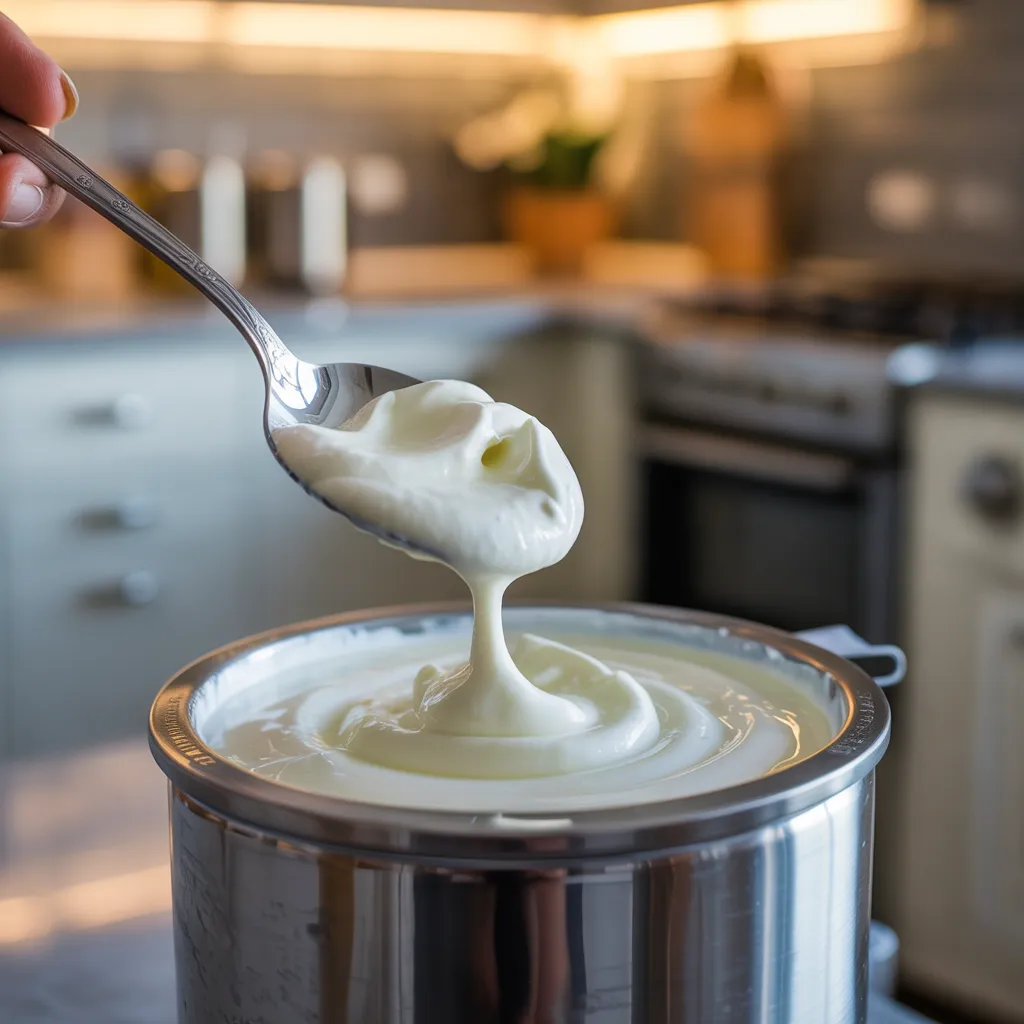
A yogurt maker can be a straightforward process that yields delicious homemade yogurt. To begin, the user must verify that the device is clean and assembled correctly. Next, they should get ready the milk, which could involve heating it to a designated temperature to destroy any unwanted bacteria. After reducing the milk to an suitable temperature, the user can mix in the yogurt starter culture, verifying it is evenly distributed.
Once combined, the mixture is placed into the yogurt maker's containers and positioned inside the machine. The user then adjusts the desired fermentation time, typically varying from four to twelve hours, depending on personal taste important information preferences. During this interval, the yogurt maker maintains a consistent temperature that facilitates fermentation. After the time has elapsed, the user removes the containers, cools the yogurt to stop the fermentation process, and enjoys the fresh, creamy result of their efforts.
Picking Ingredients for Your Yogurt Maker
When choosing ingredients for a yogurt maker, it is crucial to evaluate both the type of milk and the yogurt starter culture, as these choices considerably impact the final product. Milk options range from whole to skim, each providing different creaminess and flavor profiles. Whole milk creates a rich, creamy yogurt, while skim milk results in a lighter version. Furthermore, non-dairy alternatives like almond or coconut milk can also be incorporated, though they may require specific starter cultures formulated for non-dairy fermentation.
The starter culture for yogurt holds equal importance. Options include store-bought yogurt containing live active cultures or powdered starter cultures available in health food stores. Choosing a premium starter culture ensures optimal fermentation and flavor enhancement. Finally, grasping these basic ingredients permits yogurt enthusiasts to adjust their recipes to suit their preferences, creating a delightful and rewarding homemade yogurt journey.
Enhancing Your Yogurt
What methods can elevate plain homemade yogurt to extraordinary levels? Flavoring yogurt offers endless possibilities for creativity and enjoyment. An excellent technique entails mixing fresh fruits, including berries, bananas, or peaches, which simultaneously boost flavor while adding inherent sweetness and lively color. Alternatively, one can mix in pureed fruits or fruit preserves for a smoother consistency.
Spices and extracts, like vanilla, cinnamon, or nutmeg, can transform yogurt into a delightful treat. Those looking for a zesty kick will find that citrus juice or zest can enliven the flavor profile. Natural sweeteners like honey, maple syrup, or agave nectar deliver complementary flavor dimensions while moderating sourness.
For adventurous enthusiasts, think about including seeds, granola, or nuts for crunchiness and texture. Ultimately, the variety of flavoring choices permits individuals to tailor their yogurt, rendering each serving a special culinary journey tailored to their personal tastes.
What Common Issues Should You Avoid When Making Yogurt?
Crafting your own yogurt can be a gratifying activity, but particular errors can obstruct the process. One prevalent mistake is using the unsuitable form of milk; skim or ultra-pasteurized milk can produce poor texture and taste. In addition, improper temperatures during the culturing process can stop the yogurt from setting correctly, with temperatures that are too low resulting in liquid yogurt.
A further error is not allowing ample time for fermentation to occur; hastening this process can produce less satisfactory results. Contamination due to improperly cleaned equipment can also damage a batch, as unwanted bacteria can impede the fermentation process. Finally, neglecting to maintain a uniform environment can compromise the yogurt-making process.
Solving Standard Problems in DIY Yogurt
Although homemade yogurt can occasionally present challenges, many common problems have simple solutions that can restore its quality. One common issue is runny consistency, which can happen due to inadequate fermentation time or substandard starter culture. To resolve this, one can increase the fermentation time or switch to a more reliable starter.
Another frequent issue is separation, where whey accumulates on the surface. This can be resolved by softly stirring the yogurt before serving, or by providing proper temperature control during culturing.
If your yogurt won't set, it can be attributed to inadequate bacteria or improper temperature levels. Extending the incubation duration or fine-tuning the yogurt maker settings can aid in obtaining the desired texture.
Last but not least, unpleasant flavors can arise from tainted equipment or ingredients. Carefully cleaning all tools and using fresh milk can prevent this concern, guaranteeing a flavorful final product.
Questions & Answers
Is It Possible to Use Non-Dairy Milk in My Yogurt Maker?
Absolutely, non-dairy milk is suitable for use in yogurt makers. However, the fermentation process may differ because of different sugar and protein content. Using proper cultures specifically made for non-dairy alternatives is vital for optimal results.
How Long Will Homemade Yogurt Keep in the Refrigerator?
Homemade yogurt usually stays good for around one to three weeks in the refrigerator when kept correctly in an airtight container. Its quality and taste may steadily reduce, so consuming it within seven days is often advised for optimal taste.
Is Reusing Yogurt Starter Cultures Safe?
It's typically safe to reuse yogurt starter cultures. Their potency may decrease over time, however, and you should watch for unusual flavors or spoilage indicators when using them in future batches.
Can You Make Yogurt Without Using a Yogurt Maker?
Making yogurt without a yogurt maker is entirely possible. People commonly use alternatives such as an oven with a light on, a slow cooking device, or heat-retaining containers to preserve the needed warm temperature for bacterial fermentation.
How Much Yogurt Can I Prepare at One Time?
The quantity of yogurt that can be produced in a single batch typically ranges from a single quart up to two gallons, depending on the individual yogurt maker's capacity. This allows for flexibility depending on personal consumption needs or preferences.